Iron Deficiency Initiative
Iron deficiency, or when the body’s iron stores are too low, is the most common and widespread micro nutritional deficiency in the world. The condition may affect up to 40% of adolescents and young women, and up to 70% of cases go undiagnosed in high-risk populations. It often leads to iron deficiency anemia, a condition that impairs oxygen transport in the body and, if untreated, can be life-threatening. Iron deficiency anemia is more prevalent in women, children, and older adults and is frequently underdiagnosed, contributing to risks such as premature birth and delayed growth in children.
Because of the far-reaching disparate impacts of this condition despite widespread treatment options, ASH has made improving the quality of care for individuals impacted by iron deficiency and iron deficiency anemia a priority. Explore ASH’s efforts related to iron deficiency and iron deficiency anemia and check back often for additional materials and resources.
See ASH's Impact on Iron Deficiency
Iron Deficiency Blueprint
As part of its Iron Deficiency Initiative, ASH has developed an Iron Deficiency Blueprint for clinicians. This blueprint emerged from the ASH Iron Deficiency Summit, a one day cross-disciplinary, multi-stakeholder summit held in September 2025. The document defines a focused workplan to reduce the burden of iron deficiency (ID) and iron deficiency anemia (IDA) on patients globally, particularly for highly vulnerable populations.
Advocacy Efforts
ASH continues to support policies that raise awareness for iron deficiency and iron deficiency anemia and encourage additional research in this area.
Clinical Practice Guidelines
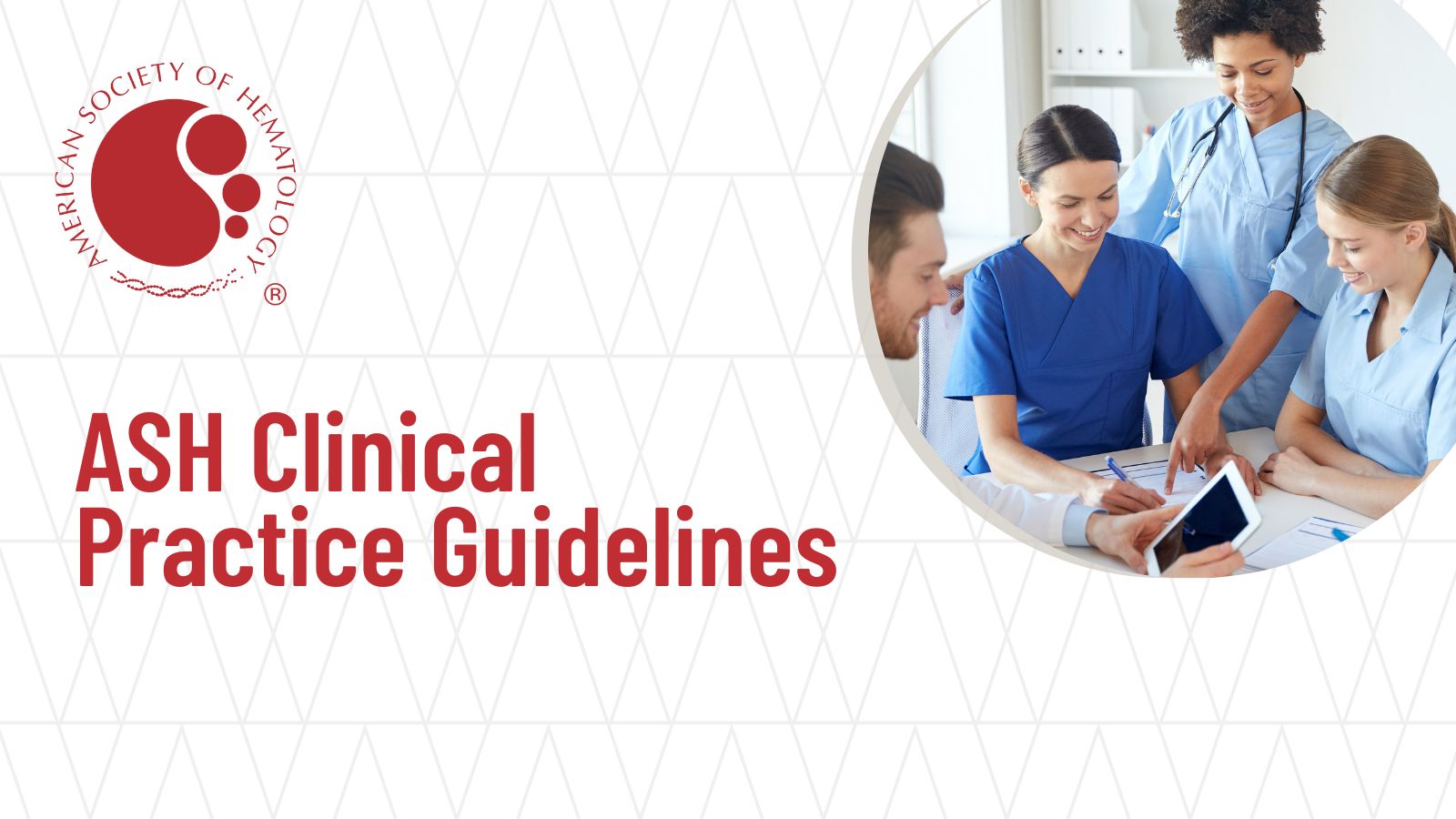
ASH has developed clinical practice guidelines to improve how iron deficiency is recognized and diagnosed across key populations, including adults, young children, menstruating and pregnant individuals, and people with inflammation. ASH’s new evidence-based clinical practice guidelines address long-standing challenges in diagnosing iron deficiency, including variation in testing practices, inconsistent thresholds, and clinical scenarios in which iron deficiency can be difficult to identify.
View the Iron Deficiency GuidelinesQuality Improvement Training Institute (QITI)
The ASH Quality Improvement Training Institute (QITI) is an educational training program focused on preparing clinicians to be leaders in quality improvement and to support the ongoing assessment and enhancement of patient experience and outcomes in hematology.
Participants in the program learn and apply quality improvement (QI) concepts towards implementation of their own QI projects alongside faculty, coaches, and peers. So far, the following projects have been focused on improving care related to iron deficiency including:
- Screening and Treating for Iron Deficiency in Pregnancy
- Improving access and delivery of IV iron to patients with gastrointestinal hemorrhage
- Improving recognition and treatment of iron-deficiency in the postpartum patient
- Reducing pre-medication for IV Iron

Dr. George Goshua – Iron Deficiency is Common and Detrimental
Iron deficiency affects millions of people, especially women, yet many go years without knowing it, even though it’s one of the most treatable conditions.
This 31-minute episode of the Curious by Nature podcast features Yale hematologist and health-services researcher George Goshua, MD, in a conversation about why iron deficiency is both extremely common and persistantly under-recognized, despite being one of the most treatable conditions in medicine. Dr. Goshua is a physician-scientist and assistant professor at Yale School of Medicine, where he studies how gaps in diagnosis and access to care can leave patients untreated. His work highlights how something as simple as iron levels can have long-term effects on energy, pregnancy, and even the next generation.
Blood Red Cells & Iron
Blood Red Cells & Iron is an international journal dedicated to publishing original research articles on basic, translational, and clinical studies related to red blood cells and iron metabolism. The journal aims to feature innovative contributions that advance the understanding of hematological disorders associated with the erythroid lineage, as well as iron-related diseases like iron deficiency anemia.
Annual Meeting Content
ASH is committed to showcasing the latest research and clinical practice applications at its annual meeting.
Stay Informed on Iron Deficiency
ASH's Scientific Committee on Iron and Heme has continually shaped the conversation around iron deficiency topics at the ASH annual meeting. Over the past five years, focus has evolved from iron regulation and therapeutic development for disorders of iron metabolism to understanding iron recycling, the relationship between iron/heme and hematopoietic stem cells, and exploring the intersections of homeostasis and metabolism.
At the 2023 ASH Annual Meeting, education sessions highlighted iron deficiency, particularly in adult and pediatric IV iron therapy and pregnancy. In 2024, the annual meeting shifted the spotlight to include a collaborative session with ASH's Committee on Quality titled “Treating Fairly,” which aimed to address health disparities in iron deficiency. The 2025 ASH Annual Meeting featured updates on the upcoming ASH clinical practice guidelines for diagnosis of iron deficiency, as well as applications of the recommendations in practice.
Sign up for email updates on ASH meetings
Additional ASH Reading
News
- IV Iron is the Cost-Effective Treatment for Women with Iron Deficiency Anemia and Heavy Menstrual Bleeding (January 8, 2026)
- Over Half of Iron Deficiency Cases in Large Health System Still Unresolved at Three Years (August 15, 2025)
The Hematologist: ASH News and Reports
- The Interconnectedness of Non-Anemic Iron Deficiency, Iron Deficiency Anemia, and Heavy Menstrual Bleeding (February 27, 2025)
- Ironing Out Heart Failure: Clarifying the Role of Intravenous Iron Therapy (January 17, 2024)
- Gynecologic Conditions and Anemia: What Can We Do About Iron Deficiency Anemia in Women? (April 19, 2022)
- Ironing Things Out: What Ferritin Level Should Be Used to Diagnose Iron Deficiency? (October 11, 2021)
Blood
- Iron deficiency(January 3, 2019)
- How I treat anemia in pregnancy: iron, cobalamin, and folate (February 23, 2017)
- Iron Deficiency Anemia As a Leading Cause of Severe Anemia in Children May be Associated with Unnecessary Red Blood Cells (RBCs) Transfusion (December 3, 2015)
- Oral iron supplements increase hepcidin and decrease iron absorption from daily or twice-daily doses in iron-depleted young women (October 22, 2015)
- Intravenous iron for the treatment of fatigue in nonanemic, premenopausal women with low serum ferritin concentration (September 22, 2011)
Blood Advances
- Cost-effectiveness of first-line IV vs oral iron for iron-deficiency anemia in women with heavy menstrual bleeding (February 25, 2026)
- Iron deficiency resolution and time to resolution in an American health system (November 27, 2024)
- Suboptimal iron deficiency screening in pregnancy and the impact of socioeconomic status in a high-resource setting (November 17, 2021)
Hematology, ASH Education Program
- Sex, lies, and iron deficiency: a call to change ferritin reference ranges (December 8, 2023)
- Iron deficiency: new insights into diagnosis and treatment (December 5, 2015)