Expanding Global Bone Marrow Transplantation Access: Experiences From Guatemala
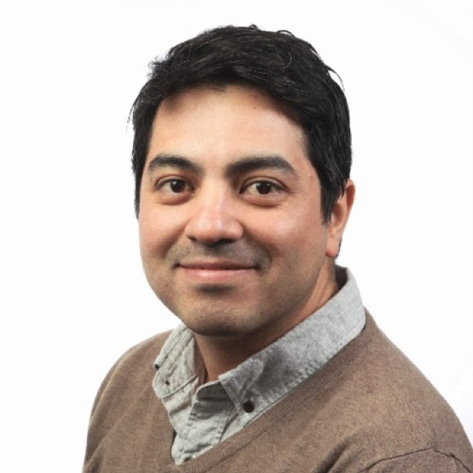

My name is Byron, and I am a hematology fellow in Uruguay. I was born and raised in Guatemala alongside my two sisters, guided by my mother who is a physician and my father who is a veterinarian. From an early age, I lived the reality of cancer: my grandmother died from stomach cancer. As a child, I could not fully grasp the meaning of her loss. Years later, just two weeks before graduating from medical school, I lost my cousin to acute lymphoblastic leukemia after a yearlong battle. His death revealed the urgent need for better treatment options in my country, where bone marrow transplantation (BMT) is still unavailable. These experiences shaped my path in medicine and my determination to contribute to global hematology.
My journey as a physician began at the public university in Guatemala. I specialized in internal medicine and under the guidance of only one hematologist, we treated numerous patients with hematologic diseases. Many diagnoses were complicated by the lack of technology and resources, which often limited our ability to provide timely and accurate care. Becoming a hematologist in Guatemala is not an easy path, as we do not have a fellowship program. I made the decision to pursue training abroad in Uruguay. In my third year of residency, I had the invaluable opportunity to train with a BMT program in Chicago, sponsored by the University of Illinois Chicago (UIC) Center for Global Health. This experience not only expanded my clinical knowledge but also reinforced my commitment to bringing advanced hematologic care to patients.
My first clinical experience in the U.S. was challenging and transformative. Although I had studied English during elementary school, I initially felt fearful of the language barriers. However, from the first day of the program, I was welcomed with warmth and support by Dr. Damiano Rondelli, the UIC team, and other trainees who gave me guidance. During this journey, I learned about the dynamics of a BMT unit and the collaboration between pharmacy, nursing, and medical professionals. I followed the treatment course of a patient with chronic graft-versus-host disease who was refractory to many treatments, and I saw this collaboration at play in the clinic each day. In comparison to Guatemala, the outpatient care network here felt more robust and organized than what I experienced as a resident. One particularly memorable experience occurred when I served as an interpreter for a patient who spoke only Spanish because I felt like I was overcoming my initial fears of the language barrier. Beyond clinical skills, I received invaluable tools and insights in how to develop a BMT unit, which is knowledge that I carry with me for future work.
This experience motivated me to advocate for hematology patients in Latin America. I began building connections with institutional representatives and explaining the importance of BMT in low-income countries. I believe that change begins with small steps — a grain of sand that can eventually grow into the dream of a BMT unit accessible to all, especially those unable to afford treatment.
Since completing the BMT program, I have felt a renewed commitment to patients who lack access to optimal treatments such as hematopoietic cell transplantation. We connected the hematology unit of a public hospital in Guatemala with Dr. Rondelli. We fostered discussions with pediatric hematologists who already have a transplant unit and could assist in the creation of an adult unit. Our main barrier remains the economic and financial aspects as we struggle to acquire funding for better diagnostic strategies, therapies, and, of course, bone marrow transplants.
I continue to champion the Global Health BMT program, as it has the power to change perspectives and open minds. For me, it was not only one of the best opportunities to learn, but also a life-changing experience that brought me closer to my father who lives in the U.S. and strengthened my purpose as a physician.
Disclosure Statement: Dr. Figueroa indicated no relevant conflicts of interest.
Acknowledgement: This article was edited by Ruby Arora, MD, and Urshila Durani, MD, MPH.