Advanced Lymphoma Fellowship Training Pathway
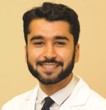

As a first-year hematology/oncology fellow watching a bulky lymph node melt away with chemotherapy, I realized that treating lymphoma was uniquely rewarding. Moments like these drew me toward lymphoma and ultimately led me to pursue an advanced lymphoma fellowship.
By the time I completed my hematology/oncology fellowship in the U.S., the field was on the verge of transformation. Chimeric antigen receptor T-cell (CAR-T) therapy, bispecific antibodies (BsAbs), and increasingly sophisticated molecular tools were reshaping how we treated lymphoma. Yet my own exposure to the field remained relatively limited. While I cared for patients with lymphoma, they represented only a small fraction of my overall clinical experience.
Following fellowship, I spent three years working as a general hematologist-oncologist, caring for patients with a wide range of solid tumors and hematologic diseases and fulfilling a J-1 visa waiver commitment. Lymphoma remained a small part of my clinical work. Meanwhile, the field continued to evolve at a remarkable pace.
Over time, returning to fellowship became increasingly appealing. I wanted protected time to focus on a single disease area rather than dividing my attention across multiple malignancies. I wanted to learn from physicians who had helped shape the field and gain firsthand experience managing patients receiving cellular therapies and BsAbs. I also wanted greater exposure to rare lymphoma subtypes and the skills that come from seeing a high volume of lymphoma consultations weekly. Just as importantly, I was seeking mentorship, research training, and a professional network that would guide the next stage of my career.
The past year has exceeded my expectations. One of the most rewarding aspects has been caring for patients receiving therapies that I previously knew only through conference presentations or journal articles. What once felt like rapidly evolving literature on cellular therapies and treatment sequencing has become part of my everyday clinic. Equally valuable has been the opportunity to watch experts interpret emerging data, challenge one another on hot-button topics such as central nervous system prophylaxis and the role of minimal residual disease monitoring, and apply years of experience to extraordinarily complex patients. During fellowship, I treated a rare case of transdifferentiation of diffuse large B-cell lymphoma into a histiocytic neoplasm. Treating complex patients like these whose circumstances do not neatly fit the criteria for a clinical trial has made me a more innovative physician.
Returning to fellowship after several years of independent practice has also provided a unique perspective on learning. There is humility that comes with becoming a trainee again. Fellow clinic is seldom efficient, and it takes time to relearn the rhythm of staffing patients. There is also the not insignificant matter of a smaller paycheck. But as I began exploring job opportunities, it became increasingly clear that both academic and hybrid practice models were actively seeking physicians with expertise in BsAbs, cellular therapies, and other novel lymphoma treatments.
For trainees considering a similar path, my advice is simple: an advanced fellowship offers a unique opportunity to dive deep into the field. Returning to fellowship was not a conventional choice, but it has been extremely rewarding. This fellowship has given me the specialized knowledge, mentorship, and experience needed to care for patients with lymphoma during a period of unprecedented therapeutic innovation. As I transition into my role as a malignant hematologist, I look forward to applying these experiences in practice and continuing to grow as a clinician and investigator. Even outside of purely research-focused academic centers, the increasing complexity of lymphoma care and the rapid expansion of novel therapies have created a growing need for subspecialized expertise. This fellowship has prepared me to meet these challenges, face future ones, and meaningfully contribute to the care of patients with lymphoma in the years ahead.
Disclosure Statement: Dr. Khan indicated no relevant conflicts of interest.
Acknowledgment: This article was edited by Ruby Arora, MD, Urshila Durani, MD, MPH, and Lekha Mikkilineni, MD.