Lymphoma
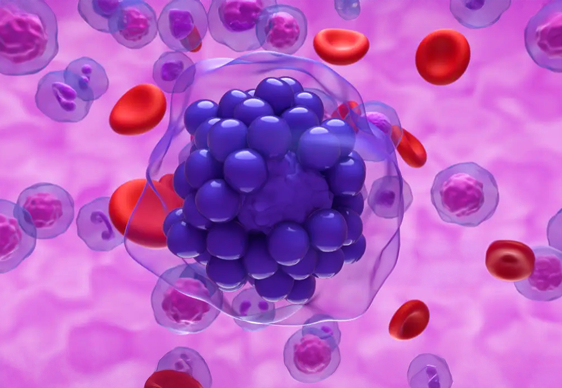
About half of the blood cancers that occur each year are lymphomas, or cancers of the lymphatic system. This system is made up of lymph nodes in your neck, armpits, groin, chest, and abdomen. Its job is to remove excess fluids from your body and produce immune cells. Abnormal lymphocytes, a type of white blood cell that fights infection, become lymphoma cells, which multiply and collect in your lymph nodes. Over time, these cancerous cells impair your immune system.
Categories of Lymphoma
Lymphomas are divided into two categories: Hodgkin lymphoma and Non-Hodgkin lymphoma. Hodgkin Lymphoma is categorized as either classical or non-classical (also called Nodular Lymphocyte Predominant Hodgkin Lymphoma). Both are treatable, but the management is different. Therefore, it’s important to know which subtype you have.
Non-Hodgkin Lymphomas are divided into B-cell or T cell Lymphomas based on which cancerous white cells are involved. Most Non-Hodgkin lymphomas are B-cell lymphomas. Non-Hodgkin lymphomas can grow slowly or quickly but treatment varies based on the specific subtype.
Many lymphoma patients lead active lives as they receive treatment for their symptoms and are monitored by their doctors.
Am I at Risk?
The exact causes of lymphoma remain unknown; however, the following factors increase your risk of developing the disease:
- Older age
- Male
- Caucasian
- Having an autoimmune disease
- HIV/AIDS
- Diet high in meats and fat
- Being exposed to certain pesticides
Symptoms of lymphoma include the following:
- Swollen lymph nodes in the neck, armpits, or groin
- Fever
- Weakness and fatigue
- Weight loss
- Sweating
- Difficulty breathing or chest pain
- Itchy skin
- Rash
How Is Lymphoma Treated?
Your doctor will perform a lymph node biopsy to diagnose lymphoma. Additional tests are then conducted to determine the stage (extent) of the lymphoma including blood tests, bone marrow biopsies, and imaging tests, such as a CT scan, PET scan or MRI. Imaging tests show whether the lymphoma has spread to other parts of your body, like the spleen and lungs. Decisions about treatment are then determined by your doctor, who will consider your age, general health, and stage and type of lymphoma.
Treatment options include the following:
- Chemotherapy
- Chemotherapy and radiation that directly targets the lymphoma
- Immunotherapy, such as chimeric antigen receptor (CAR) T-cell therapy, directed at lymphoma cells
- Stem cell transplant
For some patients, participating in a clinical trial provides access to experimental therapies. If you are diagnosed with lymphoma, talk with your doctor about whether joining a clinical trial is right for you.
Is Lymphoma Preventable?
Because the cause of lymphoma remains unknown, there is no real way to prevent it. However, if you think you may be exhibiting signs of lymphoma, being aware of the risk factors and symptoms and talking with your doctor are critical to early diagnosis and treatment. It is especially important if you have a family history of lymphoma to look out for symptoms and share your family medical history with your doctor. In a small number of patients, there is a familial/genetic risk.
If you suspect that you have or are at risk for lymphoma, talk with your doctor about detection and treatment. Depending on your physical condition, genetics, and medical history, you may be referred to a hematologist, a doctor who specializes in blood conditions.
Questions to Ask Your Doctor
If you have non-Hodgkin lymphoma, asking questions is a great way to feel prepared and confident about your care. Use the C.A.R.E. guide to help you get started.
Condition and Choices
What type and stage of NHL do I have? Is my cancer growing slowly or quickly? Should I start treatment now, or is it safe to wait and watch?
Aim and Treatment
What are my treatment options? Which treatments do you recommend for me and why? Are clinical trials (studies testing new treatments) an option for me?
Risks and Side Effects
What side effects should I expect, and how can we manage them? How will we know if the treatment is working? What if my cancer comes back or doesn’t respond to the treatment?
Everyday Impact and Support
How will treatment affect my daily life, work, or ability to care for myself? What support is available for me and my family? Who do I call if I have questions or feel unwell between visits?
Lymphoma: A Patient's Journey
Where Can I Find More Information?
If you are interested in learning more about blood diseases and disorders, here are a few resources that may be helpful.