Leukemia
Leukemia is a type of cancer found in your blood and bone marrow and is caused by the rapid production of abnormal white blood cells. These abnormal white blood cells are not able to fight infection and impair the ability of the bone marrow to produce red blood cells and platelets.
Leukemia can be either acute or chronic. Chronic leukemia progresses more slowly than acute leukemia, which requires immediate treatment. Leukemia is also classified as lymphocytic or myelogenous. Lymphocytic leukemia refers to abnormal cell growth in the marrow cells that become lymphocytes, a type of white blood cell that plays a role in the immune system. In myelogenous leukemia, abnormal cell growth occurs in the marrow cells that mature into red blood cells, white blood cells, and platelets.
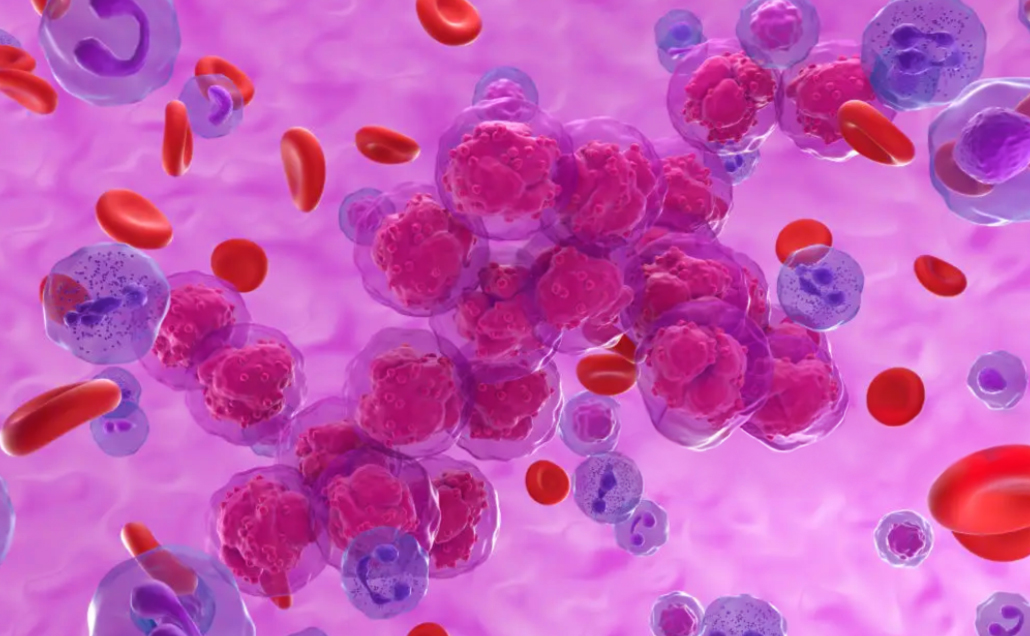
Classifications of Leukemia
Leukemia occurs in both adults and children. The two most common adult leukemias are AML and chronic lymphocytic leukemia (CLL). Acute lymphocytic leukemia (ALL) is the most common form of childhood leukemia, and acute myelogenous leukemia (AML) is the second most common. Decades of research have led to vastly improved outcomes for children diagnosed with ALL.
Am I at Risk?
Although experts are uncertain about the causes of leukemia, they have identified several risk factors that include the following:
- Exposure to high levels of radiation
- Repeated exposure to certain chemicals (for example, benzene)
- Chemotherapy
- Down Syndrome
- A strong family history of leukemia
Symptoms vary depending on the type and stage of leukemia, but they can include the following:
- Fever, chills, night sweats and other flu-like symptoms
- Weakness and fatigue
- Swollen or bleeding gums
- Headaches
- Enlarged liver and spleen
- Swollen tonsils
- Bone pain
- Paleness
- Pinhead-size red spots on the skin
- Weight loss
How Is Leukemia Treated?
Your doctor will conduct a complete blood count (CBC) to determine if you have leukemia. This test may reveal if you have leukemic cells. Abnormal levels of white blood cells and abnormally low red blood cell or platelet counts can also indicate leukemia. If you test positive for leukemia, your doctor will perform a biopsy of your bone marrow to determine which type you have.
Treatment depends on your age, general health, and type of leukemia. You might receive a combination of treatments that could include chemotherapy, biological therapy, radiation therapy, and stem cell transplantation. Patients with acute leukemia often undergo chemotherapy because this type of treatment targets fast-dividing cells. Many acute leukemia patients have responded successfully to treatment. On the other hand, chronic leukemia is better treated with targeted therapies that attack slowly dividing cells, as opposed to traditional chemotherapy.
For some patients, participating in a clinical trial provides access to experimental therapies. If you are diagnosed with leukemia, talk with your doctor about whether joining a clinical trial is right for you.
Is Leukemia Preventable?
Because the cause of leukemia remains unknown, there is no certain way to prevent it. However, avoiding exposure to solvents, such as benzene and toluene, and unnecessary exposure to X-rays is generally good practice. If you think you may be exhibiting signs of leukemia, being aware of the risk factors and symptoms, and talking with your doctor, are critical to early diagnosis and treatment. It is especially important for people who have a family history of leukemia to be aware of symptoms and share their family medical history with their doctors.
Questions to Ask Your Doctor
If you have leukemia, asking questions is a great way to feel prepared and confident about your care. Use the C.A.R.E. guide to help you get started.
Condition and Choices
- Acute lymphocytic leukemia (ALL): What type of ALL do I have, and what does it mean for me? How does this type of ALL affect which treatments will work best?
- Acute myelogenous leukemia (AML): What type of AML do I have, and how does it affect my treatment? How quickly do I need to start treatment?
- Chronic lymphocytic leukemia (CLL): Do I need treatment now, or can I watch and wait? What stage is my CLL, and what does it mean for my outlook? What are the goals of treatment: slow the disease, relieve symptoms, or achieve remission?
Aim and Treatment
- Acute lymphocytic leukemia (ALL): Which treatments do you recommend? Will I need a stem cell transplant, and if so, when? Are there any new treatments or clinical trials that might be an option for me?
Acute myelogenous leukemia (AML): What chemotherapy or targeted therapy do you recommend? Will I need a stem cell or bone marrow transplant? Are there clinical trials or new treatments I should consider?
Chronic lymphocytic leukemia (CLL): What treatments are available for CLL? (Targeted drugs, antibodies, or chemotherapy) Which treatment do you recommend, and what are the benefits and risks? Are there clinical trials or new options I should consider?
Risks and Side Effects
- Acute lymphocytic leukemia (ALL): How long will my treatment last? What are the common side effects and what can we do about them? Will I need to stay in the hospital, or can some treatments be done from home?
Acute myelogenous leukemia (AML): How will we know if the treatment is working? What side effects should I expect, and how can they be managed? How long will I be in the hospital?
Chronic lymphocytic leukemia (CLL): What side effects should I expect, and how can they be managed? How will we track if the treatment is working? What are the next options if CLL progresses or comes back?
Everyday Impact and Support
- Acute lymphocytic leukemia (ALL): How will treatment affect school, work, or daily life? What support services are available? Who do I contact if I have questions or side effects?
Acute myelogenous leukemia (AML): How will treatment affect my daily life or energy? What support is available for me and my family? How will I be monitored after treatment? What if AML comes back, and what are my options?
Chronic lymphocytic leukemia (CLL): How will treatment affect daily life or work? Are there lifestyle changes or precautions I should follow? What support and resources are available for me and my family?
Chronic Myeloid Leukemia: A Patient's Journey
Where Can I Find More Information?
If you are interested in learning more about blood diseases and disorders, here are a few resources that may be helpful.